People living in every era have their own kinds of sufferings. Hardships never belong exclusively to today’s youth. We cannot grow into a strong person unless we obtain an elegant spirit to deal with life sufferings. Misfortune can be a great fortune.
Cao Wenxuan
In a normal week, our family can be found visiting our local library weekly, but in these unusual circumstances we are very grateful for audio and ebooks available online through our library system. If you haven’t checked it out yet, it’s a fantastic resource for kids and adults.
During this time at home tucked away in their room painting, drawing, and sewing for hours Ava and Lily have been enjoying listening to some great audio book stories together. They just recently finished listening to Bronze and Sunflower a powerful story about hardship and the flexibility to endure it. The historical fiction story is set during the era of the Chinese Cultural Revolution. Sunflower is an orphan who is adopted by the poorest family in the village. Bronze, her friend turned brother, is mute due to a traumatic experience early in his life. The beautiful story explores the children’s relationship, their family life, and the courage to endure many hardships bouncing back with dignity, diligence and determined love.
Author Cao Wenxuan, doesn’t agree that children’s literature is all about books that make children happy. “Blind happiness can easily lead to superficiality, from which one may not be able to sense the depth of human life.” Bronze and Sunflower does not have your typical, feel-good happy ending, yet it left my daughters and I reflecting on our own relationships with gratitude and perspective for the simple things in our lives we sometimes take for granted. This enriching story and its authentic look at resilience through difficult times is an inspiring read and extremely relevant as we navigate through this global pandemic.
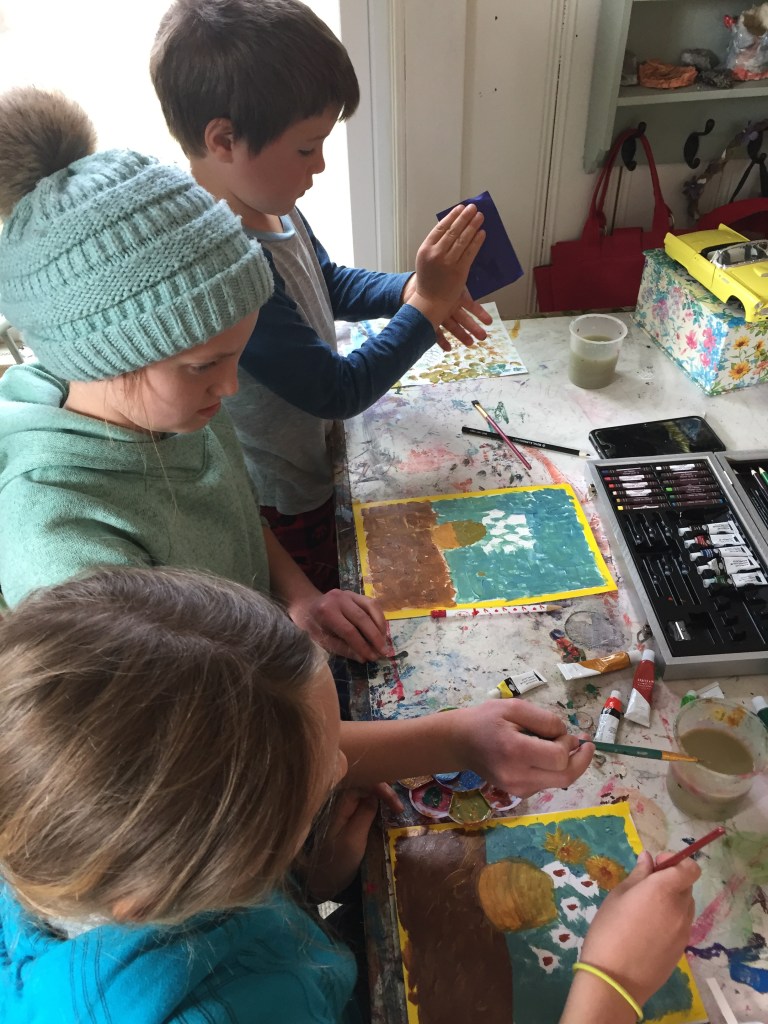
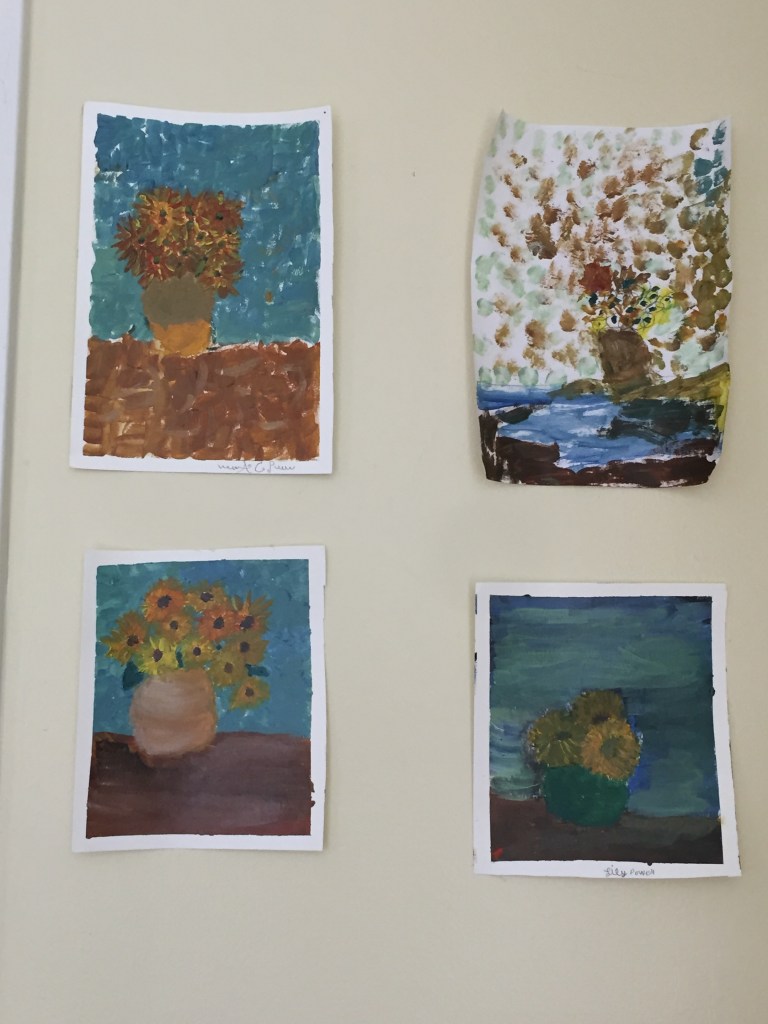
To bring a little color and beauty to our reading experience the kids painted sunflower pictures. Here’s a great link to a paint-along tutorial inspired by Van Gogh’s sunflowers.
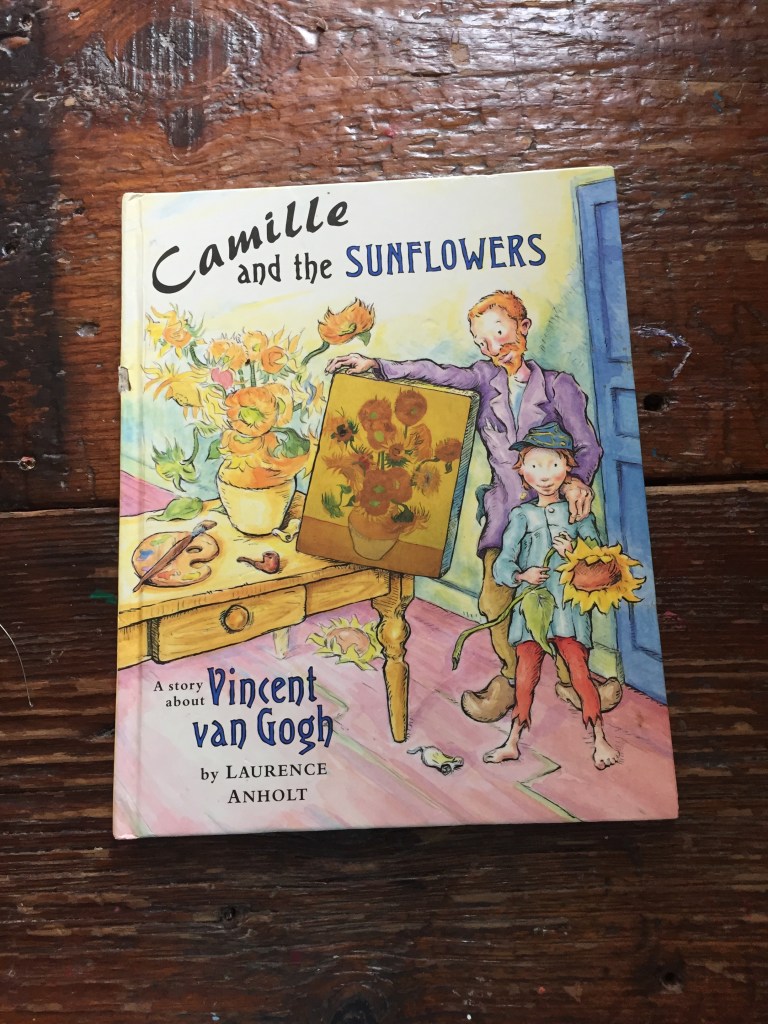
Camille and the Sunflowers A story about Vincent Van Gogh by Laurence Anholt
Camille and the Sunflowers A story about Vincent Van Gogh was another good read to add to our sunflower art inspiration and exploring a great artist.
We explored Chinese writing symbols on youtube videos and practiced writing with ink and a fine paint brush. Chinese character writing is done in columns, from top to bottom and from right to left. These writing symbols go back more than 3,000 years and began as pictures. In ancient China, students had to memorize many pictures or characters each week and used brushes and ink to paint the “words.”
For dinner we made a homemade dish of fried rice and practiced eating with chopsticks!
It you’re interested in some other age 8 and up books that explore human hardships and resilience Ava and Lily have recently read and been inspired by these great books:
1.) Freedom from Guilt. I have put this as my number one tip because I think it is the most important for us parent’s and it is the hardest one to achieve. I have only recently begun to take my own advice and allow myself to homeschool guilt free. I haven’t mastered it yet. Don’t know that I ever will, but it is truly so important to not put too much pressure on yourself or to have unrealistic expectations of yourself or your children. One thing I have learned over the years of homeschooling is that there is no right way.
Children will learn everything they need to in time and the best lesson you can give them is a joyful learning experience. If you are stressed or feeling overwhelmed, they will feel that and that is the memory they will have of the experience. When I first started homeschooling Ava for kindergarten, I felt overwhelmed because I wanted to expose her to everything and felt that if I didn’t, then she wouldn’t be well rounded and that she would be missing out and that it would be better to have her in school. It took time for me to realize that all those things I wanted to teach her would happen in time and that it was better for her to have a happy mom, then a stressed out mom who felt the need to have things checked off her list as to having taught them. I realized through time that if Ava learned about ancient China or how to knit when she was 5 or when she was 25, it really didn’t matter. Yes, it is important to teach your children to read and basic math and science skills, but you’ll be amazed at how easy that all comes when you let go of expectations and enjoy the process of learning together.
Children are always learning and are curious by nature. Your job as a parent and teacher is to nurture that love for learning. It has taken me about 5 or 6 years of homeschooling to finally feel completely comfortable with that notion, but I promise you, it’s true. When you finally feel comfortable enough to let go of the guilt and just give your child your time and attention to their interests, you’ll find that everything that needs to will just happen naturally.
2.) Get Outside. Most often people assume that “school subject” learning can only happen when you sit at a desk and work on worksheets or read a text book. It’s something we have been conditioned to believe over time with the mass model of schooling. Yet, learning happens outside the box, not just in it. Some of our best learning happens outdoors and outside of a text book. My kids love to run or bike around the house and time each other (math work)! I sometimes give them math problems and they run around the yard and come back with the answers. This is a game that Lily made up when she was 5 and just starting to learn addition. She would ask me to give her a math problem, she would run around the house and come back with the answer and then do it again.
Bring the books outside; read, paint and draw. Who doesn’t love reading a good book under the shade of a tree or lying on a blanket in the grass. One of my kids favorite things to do is to take their writing journals and sit in the yard or walk the trail and free write or draw. We bring art outdoors all the time. Remember those early impressionist painters? They weren’t sitting inside imagining things to paint, they got outdoors with their easels and painted what they saw. There is something very magical about taking an easel or sketch pad outside with some paint and seeing the world around you in a completely different way. Being in nature brings out the artist and explorer in everyone. Being in nature is therapeutic. It is calming and renewing to us all. Take a hike or a bike ride on a trail, walk around the yard or visit a park, sit out on your deck and breathe in the fresh air. Stepping outdoors is the best classroom you can offer your children. Encourage them to explore their world around them and you’ll be amazed at how much it improves their attention and learning.
3. Read, Read, Read. One of the greatest gifts you can give to your children is the love of reading. Read to them, read with them, and have them read to you! Reading opens the doors to everything. If they have a love for reading they will be able to open a book and learn about anything. The more kids read, the better they will be at writing. The more they write, the better they will be at spelling. Opening a book opens the doors to topics you may have never thought you’d explore, geography, music, art, math, science… everything!
When Lily was 6 years old we read an American Girl Story together about a young African American girl named Addy who was a slave during the civil war in the United States. I was incredibly moved by Lily’s compassion for Addy and how the floodgate of questions opened. We read the entire 5 book series in a week and then had deeper conversations about the civil war and slavery. We explored those topics deeper with more books and then read about important people in history and events that occurred during that time like Harriet Tubman and the Underground Railroad and Abraham Lincoln. We then started to read about the Civil Rights Movement, Rosa Parks and Martin Luther King Jr. Lily started to act out the stories in her play. She was playing with her people’s with Leo (4 at the time) and told him to be Harry Tubman and she was Rose and how they wouldn’t get off the bus. These were topics that I hadn’t planned to explore at all with her at such a young age, but we did because she was curious and interested and felt connected to a character in a story. These weren’t topics that were required learning for 1st grade, but we covered them because it was her interest. That is the beauty of reading and of following your child’s interests. Every book you open is a new life adventure and learning experience.
“Play is often talked about as if it were a relief from serious learning, but for children play is serious learning.” Mr. Rogers
4. Play. Open-ended, free play is one of the best ways for kids to learn. Board games, card games, make believe, doing dishes and the laundry, learning to cook, taking care of pets, learning to use tools, and gardening are all extremely important life skills that qualify as time spent learning. Free play and life skills are education at every stage of life.
We are at a time when kids are over scheduled and have very little down time. In the United States the number of hours that children spend in free play has decreased dramatically while at the same time we have more children plugged into media and medicated more than ever before while, at the same time, the diagnosis of anxiety, depression, and attention disorder in children has sky rocketed.
Open-ended free play is crucial to human development and it’s often how children make sense of the confusing world around them. Research has shown that free unstructured play teaches children to be less anxious. It also teaches them to be resilient because it allows the child to figure out their own ways to regulate their emotions and cope with stress. Giving children the trust and space to figure things out on their own creates self-esteem and self-reliance because the satisfaction comes from inside the child, not from an outside source.
Through play that is unstructured, children learn to believe in themselves and their ability to work through stressful situations that feel out of their control. Letting your kids learn to do things on their own shows them that you trust them and their ability to do things. Teach your child how to cook or bake on their own from an early age, teach them how to do their own laundry and be responsible for getting it done, give them chores and responsibilities in the household (feeling part of a team is very fulfilling). This is truly a very important gift you can give your children and they will be learning some of the most important skills to take them through life.
5. Enjoy what you’re doing. This is an extremely special time in life that you have with your child and it truly does go too fast. If you find yourself feeling overwhelmed or burdened by the goals you’ve set for yourself or your child, then take time to re-evaluate and only put on the table what is truly realistic for you to accomplish. Remind yourself of why you have chosen to homeschool your children. *For those thrown into the realms of homeschooling your children during this pandemic, know that this is a short time in the big picture of things. It is far more important for your children to feel safe and loved than for you to have to stress of accomplishing work the school has assigned. You will get through it all in time and whatever they don’t accomplish now will be learned later. We’re all in the same boat.
I decided to homeschool my children because I enjoyed being with them and learning with them. My husband and I have both made sacrifices in order to do this, but the sacrifices pale next to the reward of seeing our children thrive. It is definitely not easy and some days I question if I’m getting it right. I’ve realized that there is no right way and just checking in with how I feel and how the children feel allows room to make changes and figure out what is working and what isn’t. If you incorporate homeschooling as a way of life, and time well spent together than there will be less guilt and more joy.
References: If you’d like more information on these topics and explore the research that supports this article, here are some great resources:
Psychology Today, Freedom to Learn Blog (website) – http://www.psychologytoday.com/blog/freedom-learnAuthor: Peter Gray: Children come into the world with instinctive drives to educate themselves. These include the drives to play and explore. Peter Gray is a research professor of psychology at Boston College.
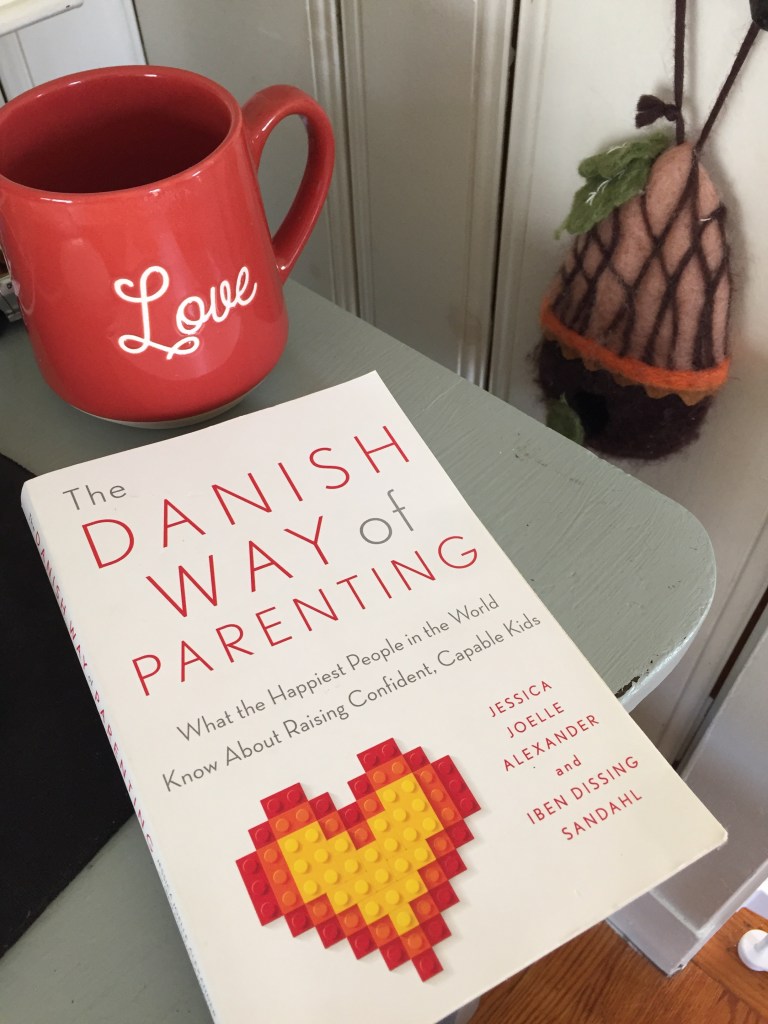
The Danish Way of Parenting, Jessica J Alexander and Iben D Sandahl, A Tarcher Perigee Book, republished by Penguin Random House LLC, 2014
It wouldn’t be spring without a visit to meet our new neighbors! Every spring, the kids and I look forward to visiting the new baby goats at our neighbors farm! This year there were 13 of them! The goats seemed to be totally fine with us waiving the social distancing requirement to pay them a visit and just like “kids,” they ran around in excitement and loved the attention. The same thing happens every year- my kids pick out their favorite little goat and want to bring it home with them. Although we left empty handed, this season I am actually entertaining the idea a little more seriously. We had planned to do a lot more traveling this year and gave away our ducks and our last chicken (had a rough winter and lost the others to a fox and Weasle). I was planning to downsize the garden, since we wouldn’t be around to maintain it. Who would have known that a pandemic would spread through our world and change everything! Now, instead of planning some great adventures away from home this year, we have decided to create some new adventures at home and it’s been quite exciting!
The real voyage of discovery consists not in seeking new landscapes, but in having new eyes.
-Marcel Proust
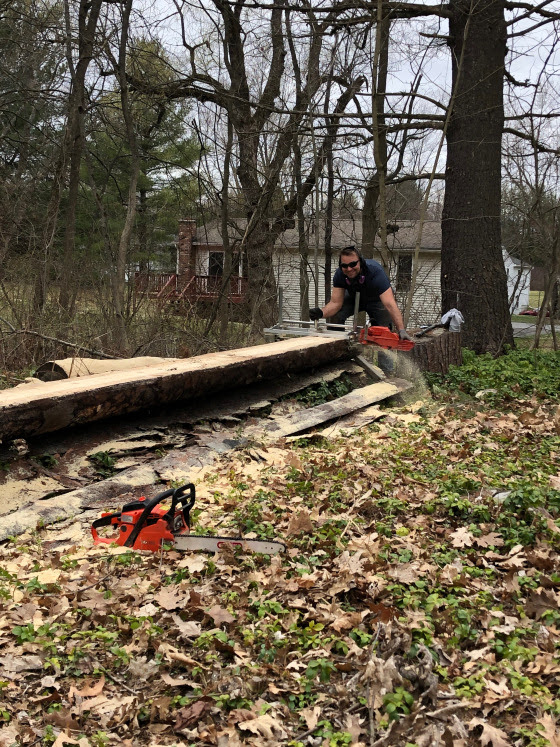
Mike and his chainsaw have been working hard at clearing some more land to make a bigger garden and the kids are trying hard to persuade us to fix up the chicken coop and build a small barn for some goats! I’m on board with the garden, but dragging my legs to take on any more responsibilities. We’re fortunate to have our neighbor bring us a weekly delivery of fresh farm eggs and to have access to local milk, but I do love goat cheese, which makes those baby goats even harder to resist!
Between baking fresh bread every other day, making all our meals from scratch, stocking up on bulk dried goods, prepping the garden, homeschooling and having to social distance, it’s starting to feel more and more like the little house on the prairie around here! It’s truly amazing to see your family and neighbors become more self sufficient. My neighbor across the street is off from work and decided to build a mill for sawing wood. Mike has been bringing the trees he’s cutting down over there to be milled so he can use the planks later to build a new shed and furniture! My neighbor’s 10 year old daughter is sewing masks for people who need them. My other neighbor just attended an online conference on fermentation… my girls are working on patterns to sew their own summer tops and skirts, my son is collecting worms to go fish for our dinner! I keep saying to the kids, “out of extraordinary times, comes extraordinary people!”
Neighbor next door mills up boards from the logs. He made a pro-grade bandsaw mill set-up.Adriana pulls out the Pachysandra roots to make way for beets.
Mike cuts up some pines, repurposing the shade.
In a funny way, it seems the baby goats aren’t our only “new” neighbor’s. I think all of us are changing in some way or another as we adapt to our new normal and in some ways redefining ourselves, our families and our lives! Maybe we’re actually exploring parts of ourselves that we’ve always wanted to be, but life just got in the way of allowing us to see them.
So, I encourage each of you, if your inspired (and in a safe and healthy environment) to look at yourselves and the current situation we’re in with a new vision and maybe you’ll make some new discoveries about yourself and the person you want to be and maybe you too, will be inspired by your new neighbors!
“The journey of a thousand miles begins with one step.”
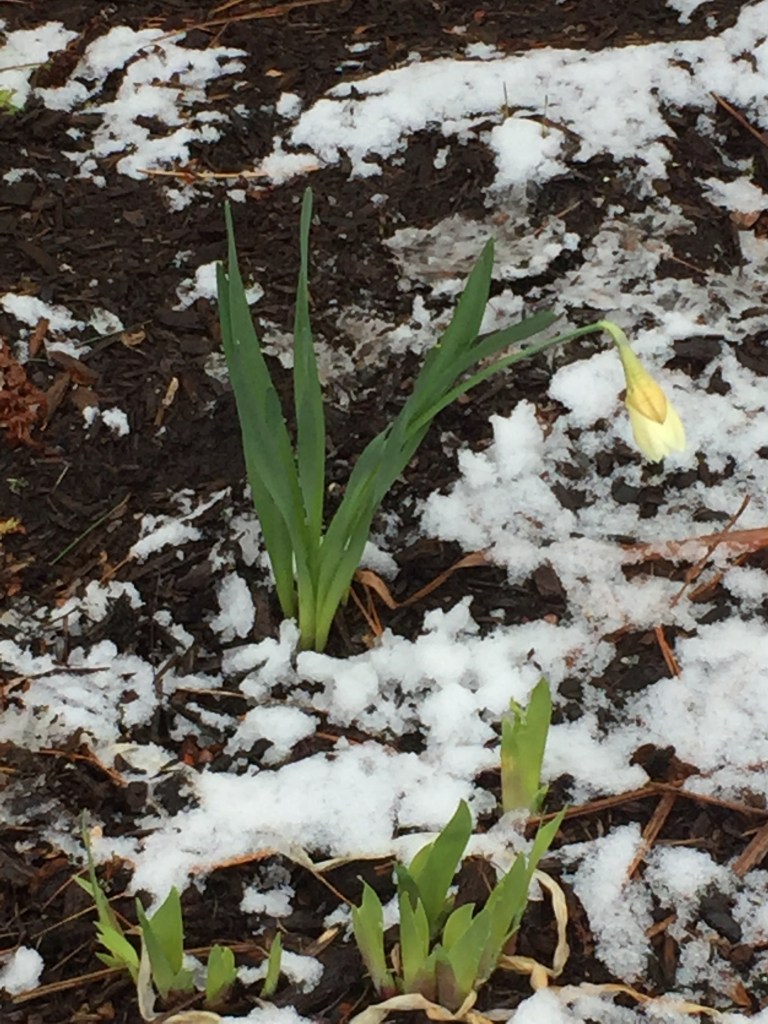
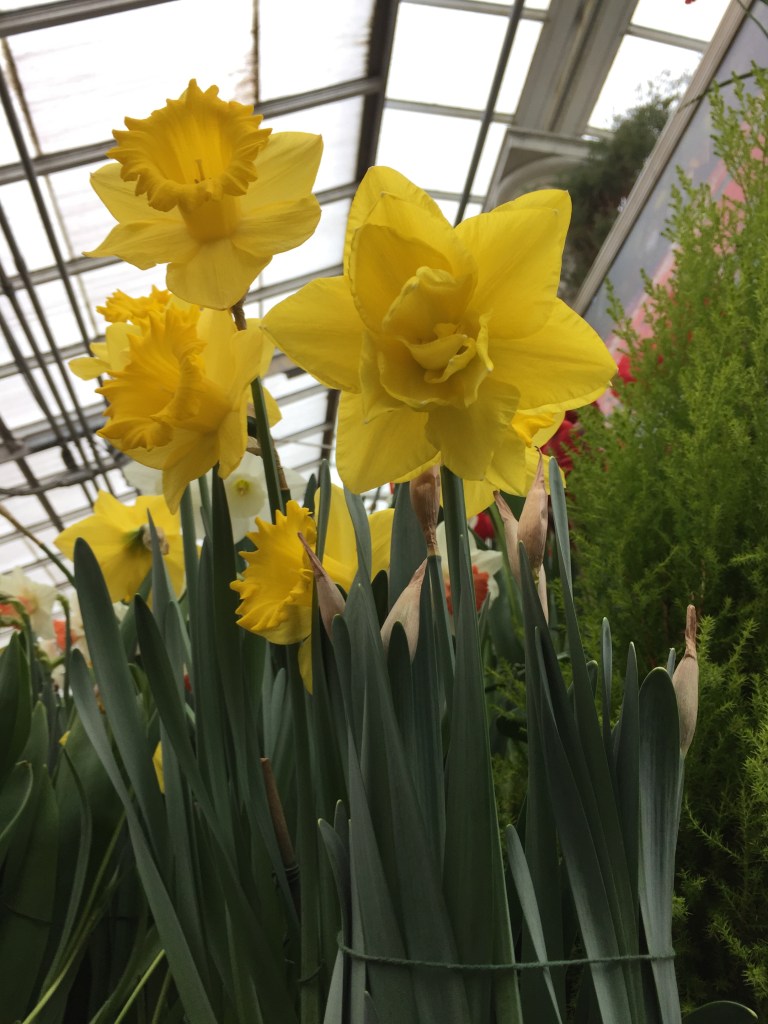
Even through the cold New England snow, the spring daffodil’s and hyacinth’s show their resilience
“Spring is here!” The kids and I keep saying it, but on a snowy spring morning like this, it sometimes feels more like a question than a statement! Nevertheless, those resilient spring flowers stand strong through the ice and snow reminding us that after the long months of cold and darkness – or even during times like this “Great Global Pause” we are all experiencing – change will come. Spring is here and it is a time of rebirth and renewal. It is inspiring!
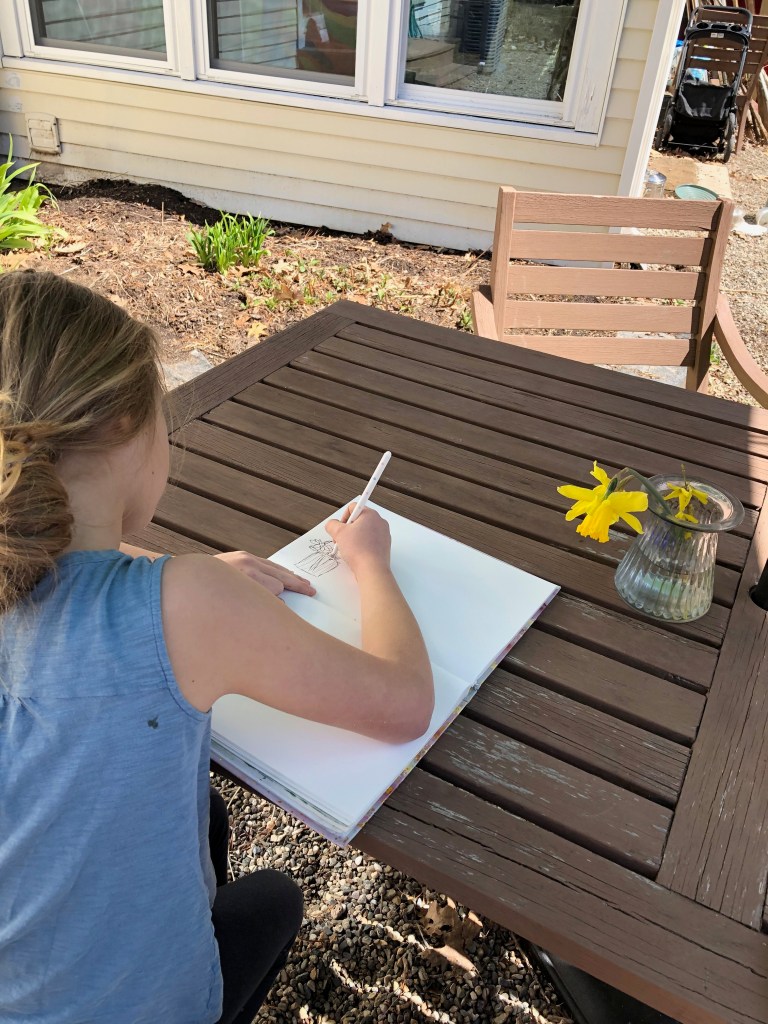
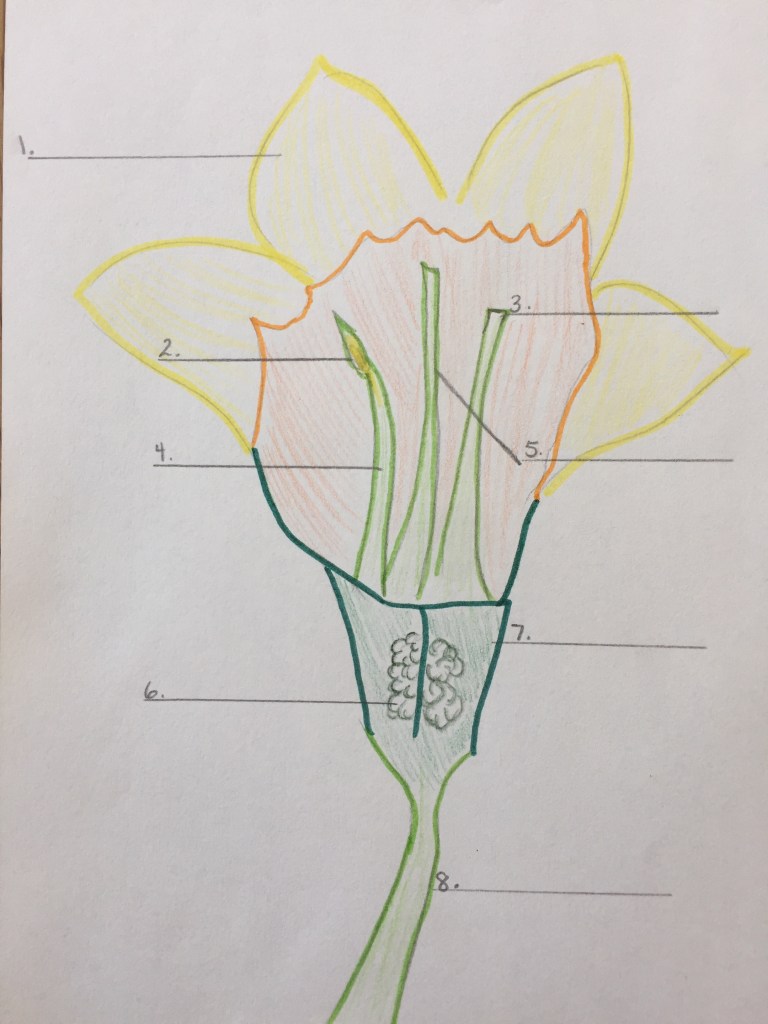
So in celebrating spring, it’s time to break out the colored pencils and water color paints and bring some life back into your homes! This is a fun project for all ages and it’s something the kids and I do every spring. If you don’t have any daffodil’s or spring blossoms in your area, you can always pull some pictures up online for the kids to look at and create. I usually use this as a time to mix a little science and art together and talk about the parts of the flower and label them on an instruction sheet. Have them draw a picture of the flower and label the parts. Flower dissecting is a fun activity for children. They get to have hands-on experience taking apart a flower and getting familiar with each part and its function. As you take the flower apart have your child put the pieces on a large piece of cardstock paper and label them.
Petal
Anther
Stigma
Filament
Style
Ovules
Ovary
Stem
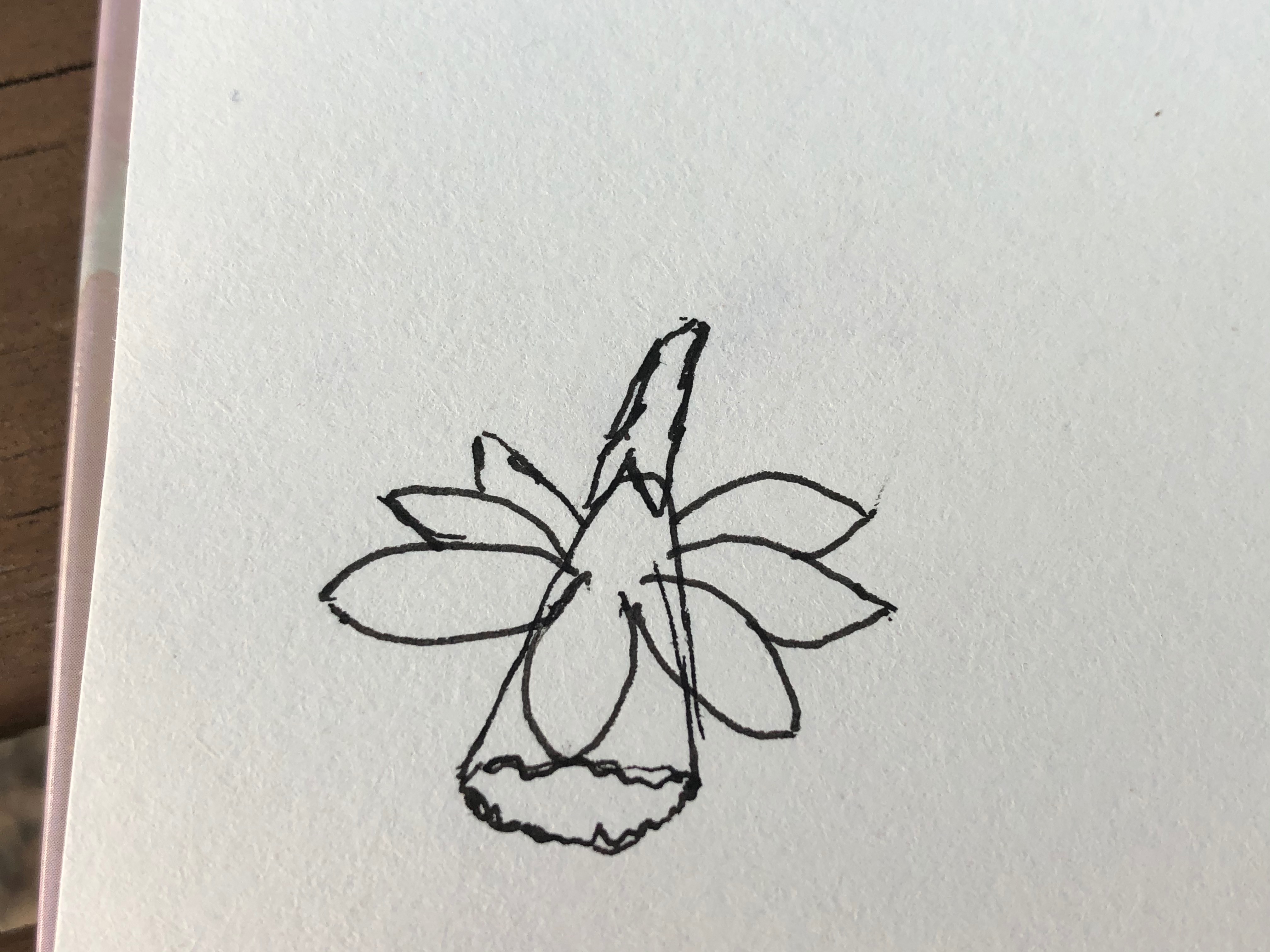
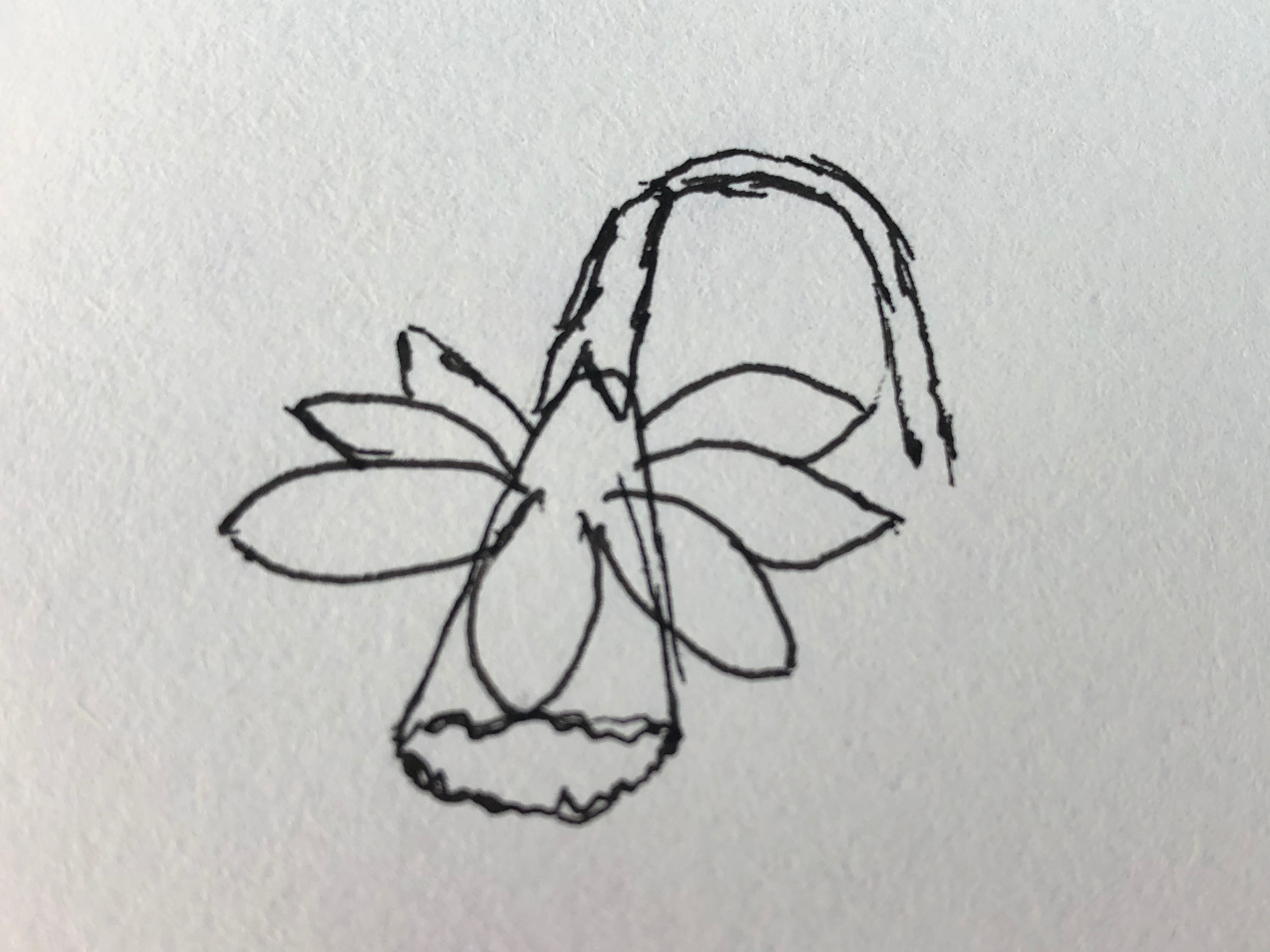
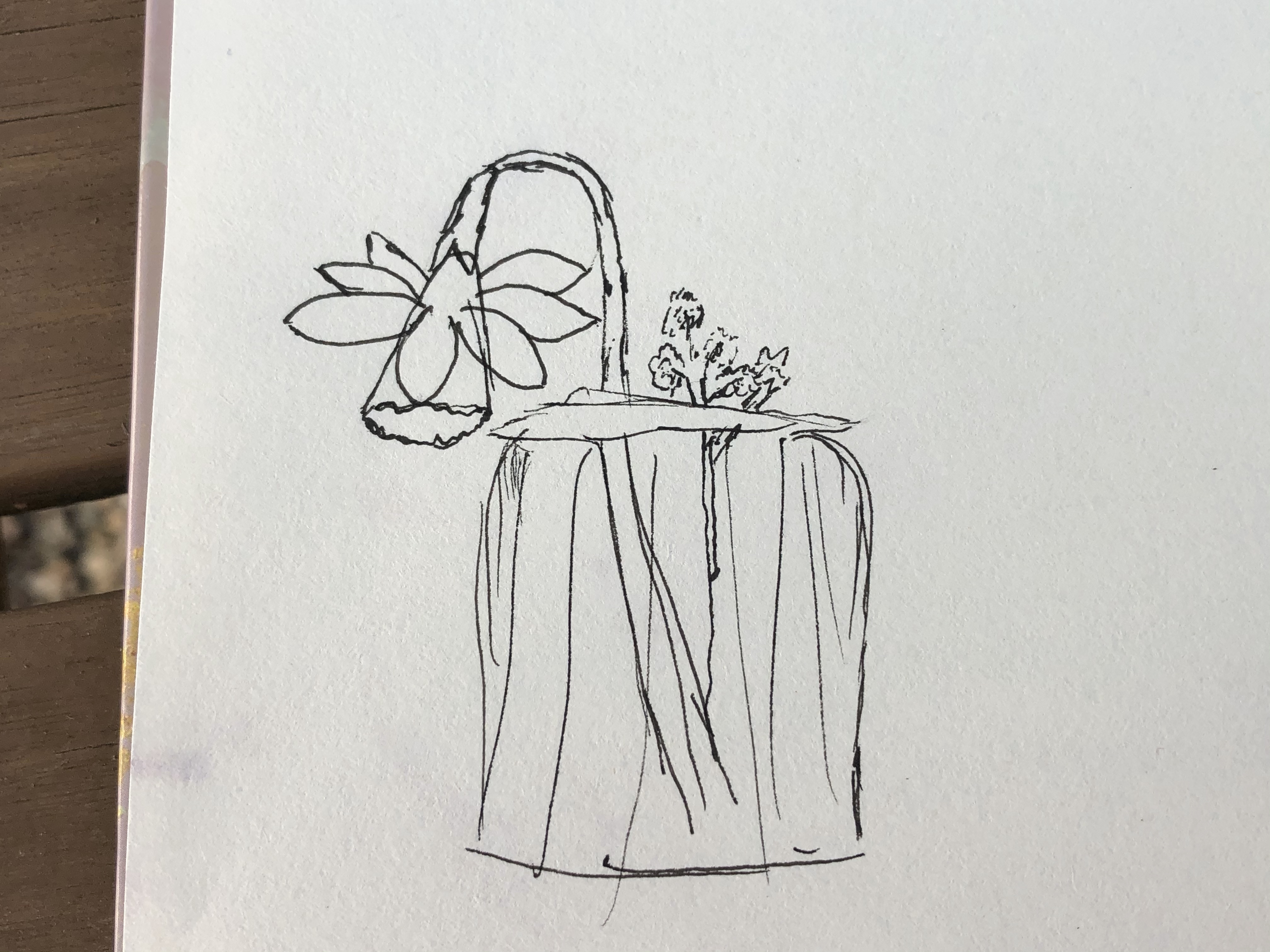
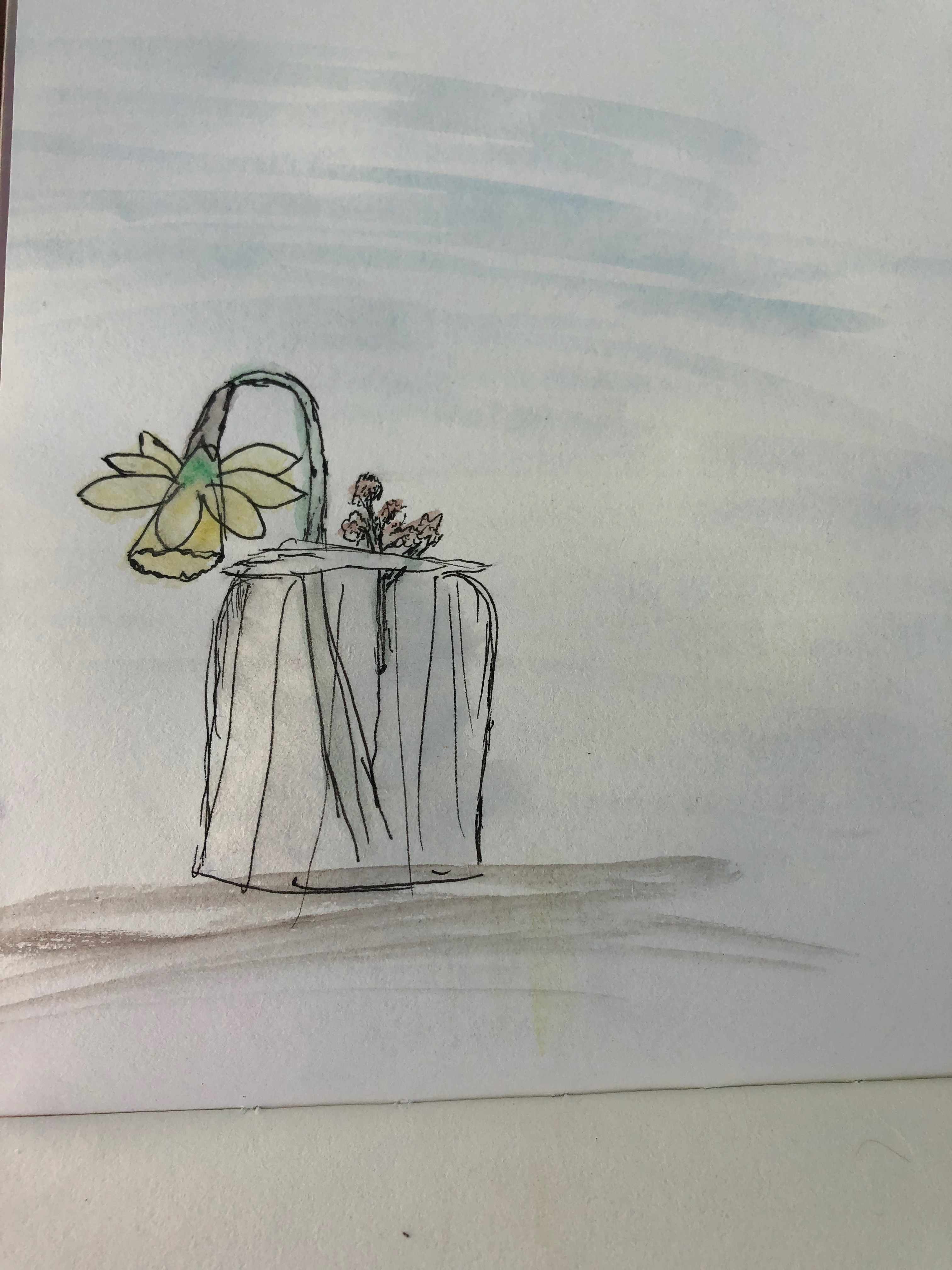
Here’s Lily’s step by step guide to drawing some daffodils in a vase…
I Wandered Lonely As A Cloud
By William Wordsworth
I wandered lonely as a cloud That floats on high o’er vales and hills, When all at once I saw a crowd, A host, of golden daffodils; Beside the lake, beneath the trees, Fluttering and dancing in the breeze.
Continuous as the stars that shine And twinkle on the milky way, They stretched in never-ending line Along the margin of a bay: Ten thousand saw I at a glance, Tossing their heads in sprightly dance.
The waves beside them danced; but they Out-did the sparkling waves in glee: A poet could not but be gay, In such a jocund company: I gazed—and gazed—but little thought What wealth the show to me had brought:
For oft, when on my couch I lie In vacant or in pensive mood, They flash upon that inward eye Which is the bliss of solitude; And then my heart with pleasure fills, And dances with the daffodils.
This poem by William Wordsworth is a great inspiration for writing some spring poetry of your own with your kids. Read the poem aloud to your children, have them close their eyes and tell you what they see, hear, feel, touch and smell. Ask them what they think the poem is about and how descriptive words help create a picture and mood and can really bring you to a certain place. Discuss examples of similes, metaphors and personification used in the poem.
If your kids aren’t old enough to write, ask them for words that remind them of spring and then talk about how you would describe those words. If your child is old enough to read and write on their own, have them make a list of words of things that remind them of spring and then have them describe those words using adjectives; yellow: daffodil, wet: grass, happy: sun, singing: birds. When you’re finished, put them together and read them aloud as a poem or song.
 SPRING
Yellow daffodil
Wet grass
Happy sun
Singing birds
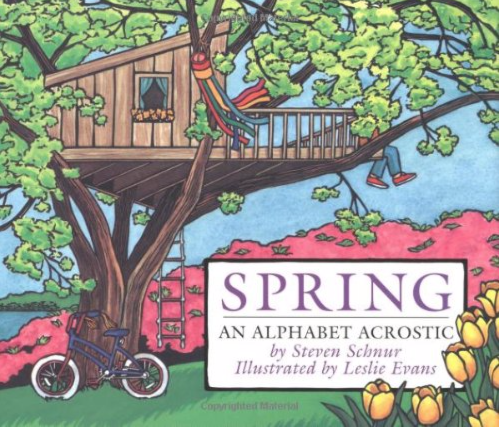
Acrostic poems are another fun way to write poetry with kids.
This is an excellent Acrostic poem book we love for Spring
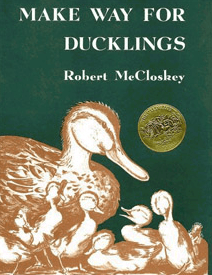
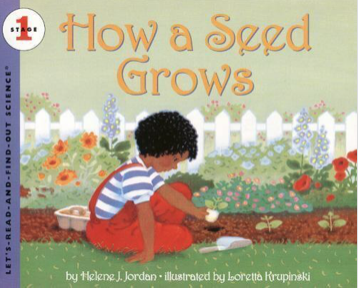
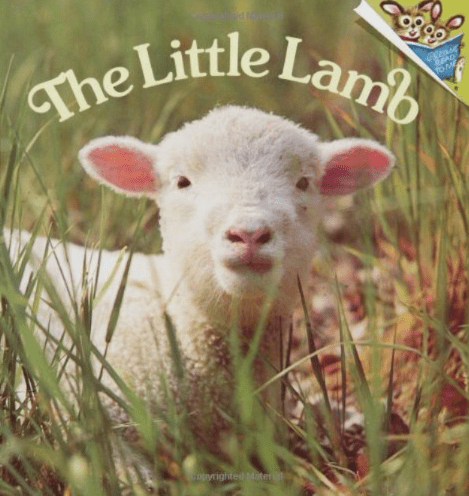
Here are some other spring books we love!
1. Brambly Hedge A Spring Story by Jill Barklem (We love all the Brambly Hedge stories)
2. Make Way for Ducklings by Robert McCloskey
3. The Tiny Seed by Eric Carle
4. How a Seed Grows by Helene J. Jordan
5. Flowers Explore Nature with fun facts and activities DK Series
6. The Little Lamb by Judith Dunn
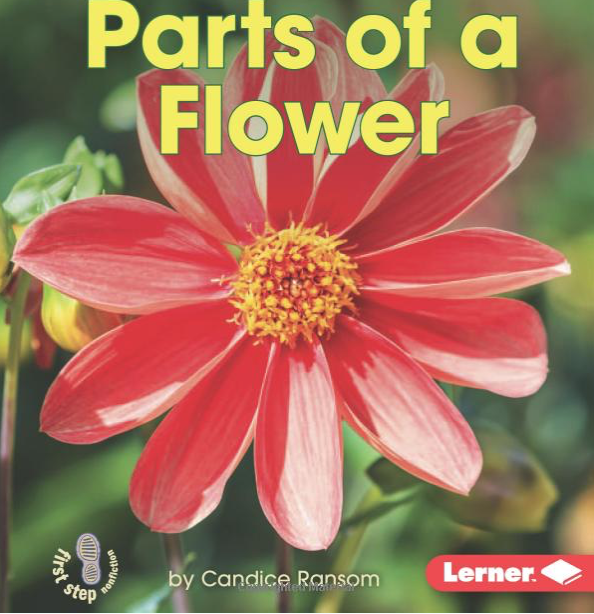
7. Parts of a Flower by Candice Ransom
The Danish Way of Parenting: What the Happiest People in the World Know About Raising Confident, Capable Kids by Jessica Joelle Alexander and Iben Dissing Sandahl
The test of time has shown that all human beings are resilient. It is our ability to adapt to change that makes us resilient. Life around us is always changing in one way or another if we like it or not. Resilience is finding the light in the darkness, seeking opportunities in challenging times and being grateful for what is here in the moment.
Right now as we go through some very trying times it is all the more important to remind ourselves of our own resilience. Just getting out of bed, making a meal, taking care of your kids, calling your friend or neighbor, even getting dressed is an example of your own resilience. Resilience is taking a situation that seems out of your control and finding a way to reframe it. To pull out the positive, no matter how small it may be because history has shown that from extraordinary times come extraordinary people!
I have been struggling lately with finding my own resilience. My Aunt in New Jersey recently passed away from complications from COVID-19 and my 89 year old Nonna is in the hospital after suffering from a heart attack. I worry daily for her, for the possibility of contracting the virus while being in the hospital and in dealing with the realization that her health is fragile and the possibility that her health may be failing. To me, she has always been the symbol of resilience. I deeply admire how she has handled challenges in life with a calm, strong nature. She has persevered through so much and although it pains me right now that I can’t be there in the hospital holding her hand or giving her a giant hug and kiss, I have to remind myself that she is resilient and that she has taught me what it means to be resilient.
Resilience doesn’t mean acting like everything is ok when it isn’t or pretending that bad, upsetting things aren’t happening. It doesn’t mean you have to be stoic and not show grief, frustration or disappointment. It is looking at challenging situations that might be completely out of our control, acknowledging the fear, upset, anxiety or frustration and reframing how we may see them in a way that allows us to move forward with grace. It isn’t easy, but it is empowering. It is a beautiful gift we can teach ourselves and our children.
“It’s snowing still,” said Eeyore gloomily.
“So it is.”
“And freezing.”
“Is it?”
“Yes,” said Eeyore.
“However,” he said, brightening up a little, “we haven’t had an earthquake lately.”
The Power of Reframing! A.A. Milne, Winnie-The-Pooh
One of my favorite books, The Danish Way of Parenting, speaks in a profound wisdom to the power of resilience, reframing and living in the moment. The Danes have been regarded as the happiest people for the past 70 years and it isn’t because life is easier for them, instead, it’s how they look at life. It is a fantastic read, not just for parents, but any individual who craves some simple, yet powerful advice about how to live in a better more resilient way! It is extremely empowering. The ability to reframe a stressful situation is an invaluable skill that can actually change your well being. The Danes have been doing this for centuries. They see being a master re-framer as a cornerstone of resilience! The Danes don’t go around pretending that negativity or bad things don’t exist, they just point out that another side side also exists focusing on the less negative aspects of situations reducing anxiety and increasing their overall wellbeing. Re-framing is a very powerful tool that can change our experience of the world.
Good teams become great ones when the members trust each other enough to surrender the ‘me’ for the ‘we.’
Phil Jackson
At times I feel guilty for enjoying this unbelievable special time together with my husband and children. We are fortunate that we can be home together and that we can afford food and have shelter. I am so grateful for this slower pace and for this invaluable time we are spending together. Funny thing is, it’s something the Dane’s have been practicing for years. They call it hygge (pronounced “hooga” ) and they see it as a way of life. The Danes value time together with family and friends it is part of their cultural foundation. During these times they put their personal stressors aside and act in the moment with the ones they love. The Danes value hygge so highly because being connected to others gives meaning and purpose to our lives. They believe that the family is a team and encourage their children to be a part of the team by showing them how they can help and contribute. Encouraging cooperation and togetherness in our closest relationships makes everyone involved feel more secure and happy and brings an overall wellbeing to the family as a whole.
So, as we continue our time together in quarantine and facing a global pandemic, maybe, just maybe we can also build a community of resilience in our own homes and cultivate some of the happiest people in the world!
In Solidarity,
Adriana
And in case you needed another reminder of human resilience – check out this inspiring article from The New York Times about two extraordinary women who survived the Spanish Flu, The Depression and the Holocaust:
Just ask Eva Kollisch, left, and Naomi Replansky about survival and resilience. Credit…Mary-Elizabeth Gifford
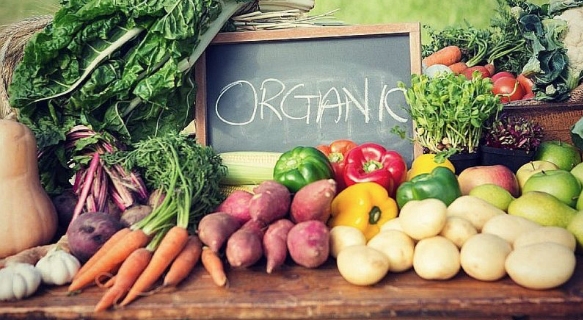
As many of you might be doing the same right now, I’m trying to go to the food store as little as possible. When I do have to go, I stock up on as many non perishable goods that will stretch a meal a lot longer. This can be a creative challenge when you have a family of six and if your husband and son are always ravenous! Some things I’ve found very helpful during this time are getting in touch with our community Co-ops and CSAs to see what is available in bulk.
My neighbor recommended a fantastic local co-op where I could get bulk grains, dried beans, coffee, dairy products, nuts and honey for wholesale prices. I put in an order that should be ready this coming week and can’t wait for my 50lb bag of All Purpose Flour! As I posted before, we have become a bit of a bakery around here! Fresh bread is in the oven every other night.
Another idea for those who haven’t checked it out are CSA’s (Community Sustained Agriculture) – local farms in which you can join for a fee and receive weekly shares of fresh vegetables, fruits, meats, dairy products, etc. If you haven’t checked them out, they are a great way to support local farmers in your area, know where your food is coming from, and avoid shopping at the supermarkets. The wait in our area to have a delivery by one of the large box stores is about a month! Since I wanted to get a few other things that weren’t available through the co-op, I contacted our local mom and pop market in town to see if they might deliver and they are doing just that! It wasn’t something I thought about before, but am now able to purchase some staple items, some from local companies and have it delivered to our doorstep with a 5 day wait time and $10 charge for delivery. Not bad. We set up a bin outside our mudroom door with a sign letting the delivery person know to leave all deliveries there for us. This allows us to weed through what can sit out (non perishable) and wash and/or disinfect the other items that need to be refrigerated. Just one more thing to do to help keep our family safe (it might be an extra step not totally necessary), but for me right now, nothing seems like too much to keep our family and community safe.
Here’s a great link to help you find CSA’s and Co-op’s in the United States
If you need a little more inspiration about getting back to basics, check out the YouTube series: Great Depression Cooking with Clara, a 98 year old cook whose grandson Christopher Cannucciari began filming in 2007 preparing her mother’sDepression meals.
It is a lovely reminder of how our families lived during WWI and II and during the great depression. They knew what if meant to be resilient, to go without, to stretch a meal and to live a little simpler during higher times of stress and uncertainty.
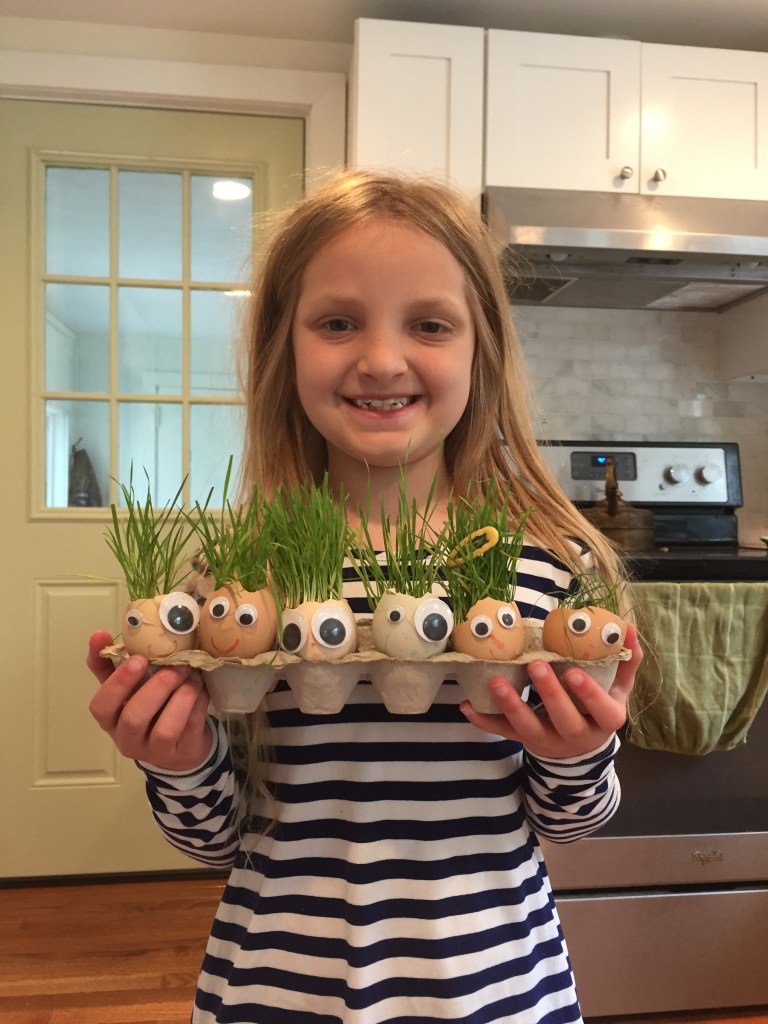
The house is full of giggles whenever we make egg heads! This is a simple and fun craft for any age.
What you need:
Egg Shells: Try to only break off the top and leave as much egg shell as possible. Clean the egg shell out and put back in the egg carton.
Make some Egg Head Faces using marker and google eyes if you have them
Dirt or cotton ball: dampen a cotton ball and put it in the egg shell or add moistened dirt
Seeds: We used wheat berries and chia seeds, grass seeds work too (they all will continue to grow so if you like, you can give your egg head a haircut)! Sprinkle the seeds on top of the cotton ball or dirt and keep moist, but don’t over water. Place in a sunny spot.
In a couple days your Egg Heads should start to grow some hair!
“As the flowers bloom again, awaken your spirit in the hope of new life. Let the warm kiss of Spring, the re-birth of the colorful buds, green shoots, the unfolding blooms and the morning bird song, once again refresh you in Nature’s eternal regeneration of life.”
Yes, those are crocuses poking out of the spring snow!
One of the kids and my favorite things to do with the arrival of spring is to listen and watch for the new birds that have made their way back up north. We have a bird feeder outside our craft room window that makes for a great place to watch and draw the beautiful birds that stop in for a visit! If you haven’t tried this yet, sketching birds with kids is a great activity. Actually, sketching birds at any age is lots of fun!
Some books we enjoy looking through for inspiration and detail
Do you have a seasonal nature table or display? Each season we set up a spot in our home with objects from nature for the season. This is a great idea for kids because it connects them to nature and science, and allows them to explore it a little further. Depending on their age, you can have them help select what you might put on your nature table to celebrate the season. Some spring ideas: Spring books about birds, flowers, animals coming out of hibernation, bird feathers, bird nests (one you’ve made or something you’ve bought at the store – or if your lucky, maybe a real one), painted wooden bird eggs, paint brushes, water color paints, colored pencils, bird feathers, magnifying glass, binoculars, spring flowers (sometimes we cut pussy willows or forsythia early and put it in a glass jar to open inside the house)…. anything else that you think of that fits the theme and encourages the senses and investigates nature.
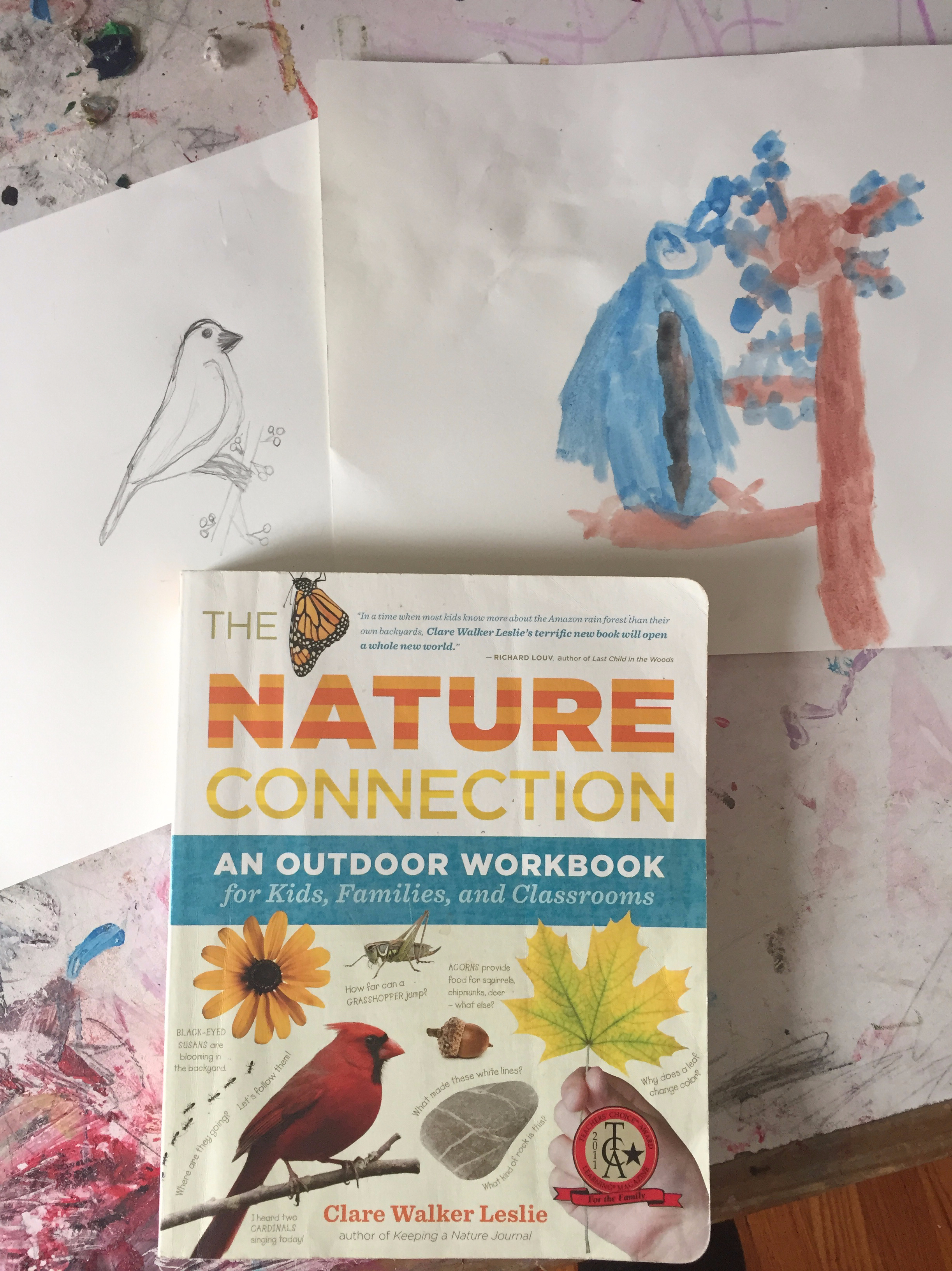
Some sketches by Lily (8) and Leo (6)
The Nature Connection is a fantastic workbook for kids! I have used this over and over again with my kids. It’s full of great ideas for what to look for and do every month of the year.
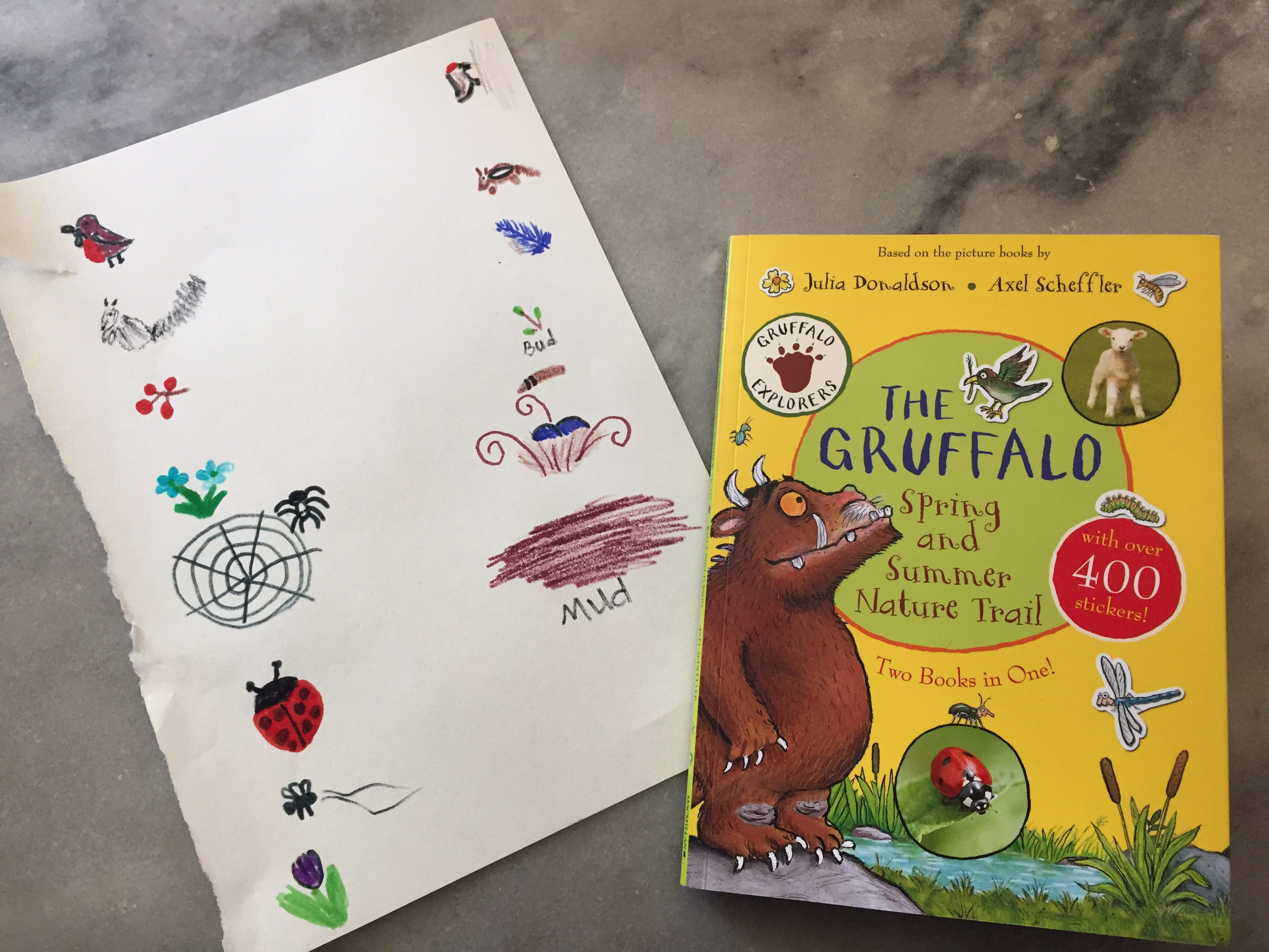
Make your own nature scavenger hunt. The picture on the left my 8 year old, Lily created for her 6 year old brother to have an outdoor scavenger hunt.
Or you can make your own scavenger hunts – some ideas are to have a scavenger hunt theme to look for: seasons, types of birds, bugs, plants/trees/flowers. For younger kids you could have them look for colors in nature or patterns.
Below are some great books about birds that we’ve enjoyed over the years:
A Nest Full of Eggs by Priscilla Belz Jenkins
Crinkleroot’s Guide to Knowing The Birds by Jim Arnosky
National Geographic Kids Bird Guide of North America by Jonathan ALderfer
The Boy Who Drew Birds: A Story of John James Audubon by Jacqueline Davies
About Birds A Guide for Children by Cathryn Sill
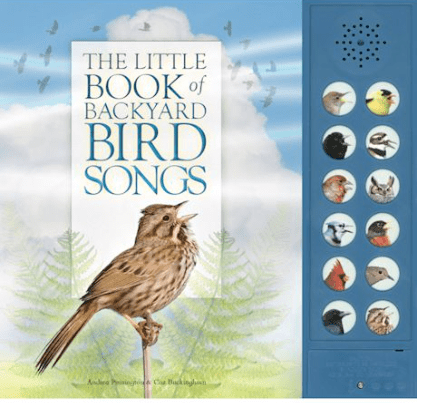
The Little Book of Backyard Bird Songs by Andrea Pinnington
Make your own bird nests
Making bird nests with kids is another fun way to study birds and celebrate spring. One idea is to use clay, shape it into a nest shape and add outdoor materials birds would use like moss, sticks and dirt. Shape some clay eggs with air dry clay and paint when dry.
One of our favorite nest activities is edible bird nests! This is a hit with all ages!
I remember loving to make these nests when I was a kid! These chow mein nests come together with just a few ingredients. We like the flavor combination of chocolate and butterscotch.
Ingredients:
1 1/2 cups Butterscotch chips
1 cup milk chocolate chips
6 oz Chow Mein noodles
1 bag Cadbury mini eggs, jelly beans or other egg shaped candy
Instructions:
Melt the butterscotch chips and chocolate chips either in the microwave or on top of the stove on a double boiler. We usually put the chips in a heat safe bowl on the stove over a small pan of boiling water. Stir continually until everything has melted.
Pour your chow mein noodles into the bowl and stir to coat with the chocolate mixture.
Line a baking sheet with parchment paper.
Scoop some of the chow mein mixture onto the parchment paper and carefully move the pieces to mold them into nest shapes. You also can line a muffin tin with cup cake liners and put your nests in there.
Place about 3 egg candies onto the nests.
Place in fridge to harden quickly, or allow to harden on counter for a couple hours.
Enjoy!
Hope these Spring nature themes help brighten your day and time at home as a family.
“The beautiful spring came; and when Nature resumes her loveliness, the human soul is apt to revive also.” —Harriet Ann Jacobs
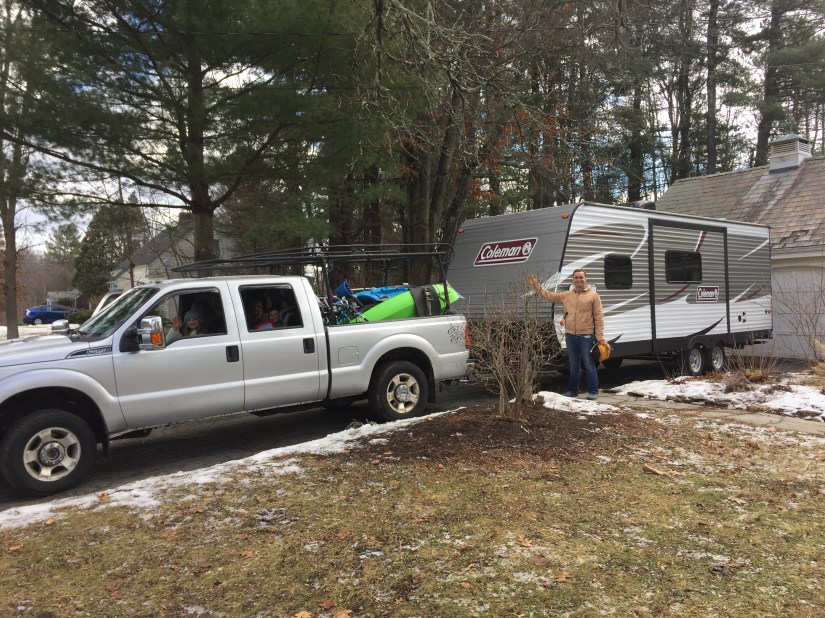
When we were first gifted a travel trailer from my folks last winter I was full of mixed feelings: this could be fun, but when would we use it, it’s nice, but how are we all going to sleep well in it – I’m not sleeping well as it is with a new baby, and even if I like it, it looks awful taking over my driveway! My parents recently retired and had decided to winter in the Florida Keys. I think gifting us the trailer was their way of making sure they would get us down there for a visit since our family of six was a bit much for their two bedroom, Key West condo. So, in August we found an opening at Sunshine Key for 16 days. A campground I had spent many winters at as a young girl. Since before I could remember my parents would pack up my dad’s Ford pick-up truck and drive down to the Keys the day after Christmas and not return until spring! We first started out camping in an army green tent built for two and then when I was about 5 and my sister came along, we graduated to a wilderness travel trailer , white with green stripes on the front end, with rust orange cushions, a small bath, kitchen and dining area and a couch that converted into a bed. The tent was now our guest quarters and when you have a campsite in the Florida Keys for 3 months, it’s amazing how many family and friends crawl out of the woodwork to visit! But the visitors, the campers and my family helped create some of my best and most memorable childhood memories. My dad would take off three full months from his landscaping business and spend it with us as a family. We’d spend the day fishing on our wooden turquoise boat traveling to different mangrove islands in search of the best catch, best beach and best place to swim. We’d snorkel and find lobsters, we’d look for hermit crabs, we’d go to the flea market, we’d go down to the marina and see the big catch- once it was a shark as big as a fishing boat! I loved to play bingo and have ice cream sundaes on Sundays at the camp Rec. hall. I felt so grown up riding my bike to the camp general store and buying a strawberry vanilla lollipop with my own money. What kid wouldn’t love it. There’s nothing like camping and there’s nothing better than a campground at night, all the twinkly lights and everyone sitting outside. I loved it. I loved exploring the campground and visiting all my new grandparents in their campers! My favorite was a retired couple from Michigan who camped next door to us whom I called “neighbor” and “other neighbor.” I made good friends, not just my retired friends, but kids, whose parents were on a similar adventure. I even got to sleepover in my friends airstream trailer. I was only in kindergarten, but was completely aware of the hubbub about airstreams. I didn’t know why they were so special, I kind of thought they looked like a submarine. Here and there my mom put me in school as I got older and I couldn’t miss as much school back home, but most of the time I just did worksheets my teacher sent from my NJ school and that was more than enough to get by. What I was learning on a daily basis camping far outshined anything I would be exploring sitting in a classroom looking at a book! I was learning about life, about having an appreciation for and the preciousness of the environment (the Keys has the third largest coral reef and numerous endangered species), I was learning how to catch my own dinner and how to cook it up, I was learning geography, history and above all social skills! When I think back to how much I learned in those three months every year, it far surpassed the other school months combined! But, beyond that, I felt the closeness of family. It is such a precious experience that is hard to put into words. And even with all of this behind me, for some strange reason, I was afraid and anxious to put my 4 kids in the car and go on an adventure of our own. For some reason I was letting the trailer represent stress and unease. I had so much stress over the thought of getting everything together, of the days in the car together, keeping up with school work, being a passenger while my husband drove for days! I had become so content with the way things were, I couldn’t really see out of the box. Little did I know, Mike was feeling stressed too about the drive down from New England to Florida, about knowing enough about the trailer to do what was needed, about having all of us in the car with him for 4 days! The stress was giving him stomach problems and me break downs! Yet, before we knew it, ready or not, the day came when we had to get on the road. And I guess something magical happened that morning, probably a feeling that only those who have embarked out on a new adventure could know, it’s this rush of adrenaline that moves you forward into the unknown with a confidence that almost feels foolish, but there’s this reassurance because you can tell you all share in this feeling together. And with that, all of us piled into our Ford pick-up, trailer in tow and we rolled out of our driveway and onto the route of adventure, the route of freedom – you wouldn’t know we were still on our street, yet it was suddenly liberating! The trailer no longer represented stress or frustration, it represented freedom and was our new home. This is how our journey began. This is how we rediscovered our family, our passions, our country, our visions, our love and our lives. This is how we rediscovered our route. We invite you to be a part of our route and hope it helps inspire you to discover yours. You don’t have to hit the road in your travel camper to start on a new journey or have a new vision or live in a better way, it helps and we encourage it, but it is not the be all to discovering your route – all you need is courage, determination, the right tools and an openness to change. Join us and Be the Route!
Mike and I started this website after traveling this winter with our kids and feeling so good about finding new routes in life and sharing our discoveries with you all. But oh how life has changed. Now we find ourselves in unprecedented times: times of fear and stress. Anxieties over the unknown and isolated. I don’t have any answers as to how we can stop what is happening right now in our world. I wish I did. I continue to pray that those around us with knowledge and power help to put an end to this pandemic. So, as we wait, in our homes together, I humbly hope that I may be able to bring some calm to your day or even for a moment. I myself have always loved being a homebody. I love starting the day slow. I have always moved at a slower pace, which at times has truly helped me to relate to my children. Especially when they were younger and slow was a very common pace! From putting on shoes and jackets, to looking at a puddle in the driveway, bubbles flying in the air or an ant traveling across the sidewalk – embracing the pace, has helped me move forward and connect.
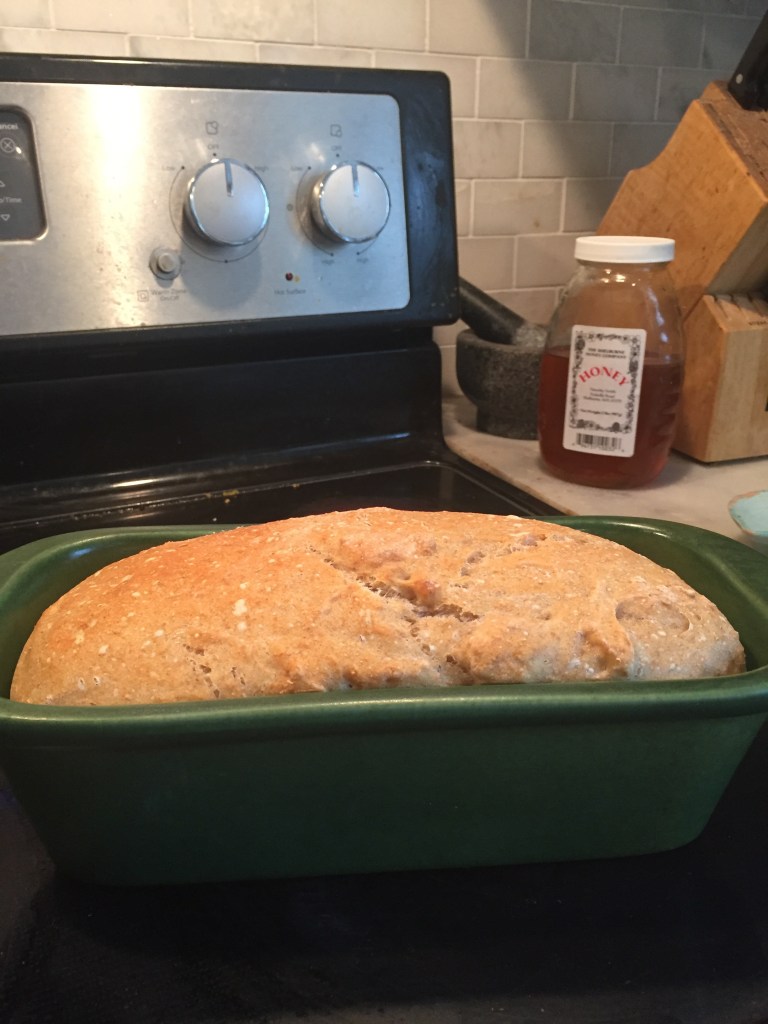
Surprisingly, we haven’t had to change much around here. Since we are already homeschoolers, not much has been disrupted with our school schedule and learning, aside from me prepping to be a little more of a homesteader if at all possible! But, those are lessons I feel are just as important for the kids to learn as is math and reading. So, over the past week as we have prepared to be at home and social distancing, we have explored our family life and survival world a little deeper than before. I ran out of bread yeast! To my dismay, so has Stop and Shop! I haven’t made fresh bread any other way. This is where the internet and google are a gift. I looked up how to start your own sourdough yeast starter. I will include a link to the site and directions below. Instead of starting my own, my kind, resourceful neighbor brought over a sourdough starter that was ready to go along with some chicken and duck eggs! So, the kids and I have been baking our own bread. If you’re home is at all like mine, we can’t keep sliced bread enough in surplus around here. I usually buy extra and freeze it, but it is definitely a staple of our household. And right now I don’t want to be running to the food store more often then needed, if at all. Thankfully, there’s nothing like fresh homemade bread and I’m so glad the kids agree and I’m sure you will too after you pull yours out of the oven!
Some of my fondest childhood memories are spending Sundays at my Italian grandparent’s home in New Jersey. My grandparent’s made almost everything from scratch. They didn’t have a yard with grass, they had a giant garden with peach, apricot and fig trees, eggplants, peppers, lettuce, broccoli arabe, herbs, beans, baseball bat squash hanging from the grape vine rafters and of course, tomatoes; rows and rows of tomatoes. As a kid, I never quite appreciated their uniqueness and resourcefulness. They never went to Target to find what they needed. They went to their garage and whatever they were looking for, it was most likely there! My grandfather was the Italian McGuiver – he could make a chair using wood, plastic and shoelaces! He used handkerchiefs instead of tissues and he really only had a handful of outfits in circulation. He made his own bread, cheese, wine and sausage. And even though I’m not a meat eater, I loved that sausage and still dream about it! Something special about making it from scratch. In there basement my grandfather had his wine cellar. It was a hidden room strait out of a Nancy Drew novel. After finding your way to the laundry room through the sausage and cheese hanging from the basement ceiling, there was a secret door and inside was a small room with a dirt floor, shelves full of glass jars with tomato sauce made by my grandmother and three giant barrels of fermenting wine. I always felt so special when my Nonno would take me down there. We’d sit on a wooden bench and he’d put a giant plastic tube in one of the barrels of wine, suck on it and start the flow. He’d pour us both a cup and we’d sit there, most often in silence, since I didn’t speak much Italian and he didn’t speak much English, but he’d say, “very good wine, no?” and I’d nod and we’d sit there watching the feet go by the small basement window and guess who was stoping by for dinner. My grandma, Nonna, made her own bread. It wasn’t a soft sandwich bread. It was hard as a rock and in order to eat it, you had to put it in water to soften (she made it in large batches like this because it was easier to store and didn’t go bad like fresh bread).
It’s funny now to think of such things. As a young child, I didn’t understand why they worked so hard to make all these things when they could buy them at the store. I didn’t fully appreciate all the hard work that went into doing what they did. As I grew older, I had more appreciation. No one made sauce like my Nonna. That pretty much goes for everything she made, it all had an unbelievable taste because it was fresh, because it didn’t get shipped in from another country, it was grown and made on location. And now, reflecting back, I feel I can appreciate their simplicity and hardwork even more. My grandparents were ready for anything. They had a pantry full of good, supplies (whatever was on sale, they always bought extra even if it meant storing five boxes of toothpaste, it was worth it if it cost them $1 cheaper)! My Nonna’s freezer and fridge were always stocked. They lived through a World War in a small Italian Mountain village. My grandfather fought in WWII for Italy. He was in the Navy at age 19 and his ship was sunk; he swam for 11 hours at sea only to be saved by another ship and taken to the USA as a prisoner of war. My Nonna grew up having to hide food in the brick wall so the police wouldn’t take it because they were only allowed to keep as much as they needed to feed their family and the rest was expected to go to others. She grew up having to dig trenches outside her home at the age of nine, she had to tend to the garden and the animals, she had to cook, clean, sew and crochet, she had to go to the mill with her grain and grind it up to make flour for baking. She wasn’t deprived of the beauty of life, but she was taught and trained to be resilient. To make things last and to appreciate what you had, to go without and to be resourceful. I share these stories with you, hopes that they give you hope. That they remind you of your own resilience and those of your ancestors whose blood runs through your veins and those of your children. We have been blessed as human kind, to not have to go through times like we are experiencing now and although I truly wish we did not have to experience them, I believe they will make us all a little stronger. Our families, our hearts and our homes. We will persevere.
So, as my home has slowed the pace a little more, I encourage you all to do the same. To embrace the pace, to bake some fresh bread make a pot of soup and enjoy your time together. Most families don’t eat meals together never mind cook or bake together. I am trying hard to keep faith and believe that a greater more beautiful lesson will come from all of this fear and time of unrest. And I truly believe that there is so much to be said for slowing the pace, for living more simply for taking time for yourself and others to fully appreciate the precious moments and precious gift of life itself. I pray you are all safe and healthy and that you are able to find moments of peace and calm and be reminded of our true human resilience. It is a gift we all have.
Now I go out to rake the vegetable beds and prepare my cold frame for our 2020 Victory Garden.
With Peace and Solidarity from my home to yours,
Adriana
Here is a Great link to starting your own Sourdough starter – Good Luck, take your time and Enjoy!
Basic No Knead Sandwich Bread: (Do this before bed)
Mix 3c flour (I use 1c WW and 2c Bread flour), 1tsp salt, 1.5c water and 1/4c starter (which I stir into the water first). Cover the bowl and leave in a warm spot overnight.
In the morning, knock it back and let it rise for 60min, then knock it back again, shape and put in greased loaf pan. Cover and let rise to almost cresting the pan, but not quite…about 20-30min depending on how warm the space is. I do it in the oven with the light on.
When ready to bake, preheat oven to 425F, flour the top of the loaf and snip to score (I go lengthwise, but you can do a few short diagonal ones, too) and put pan in over COVERED! You can use another loaf pan (I do this) or make a foil tent, but give the bread room to grow. Bake 20min, then uncover for 10min.
That’s it.
If you’re in a rush, you can shape and rise in the pan first thing, and not do the second rising, but the bread will be more dense.





























 Be The Route